Dining Experience, Elevated: The Power of Custom Audio
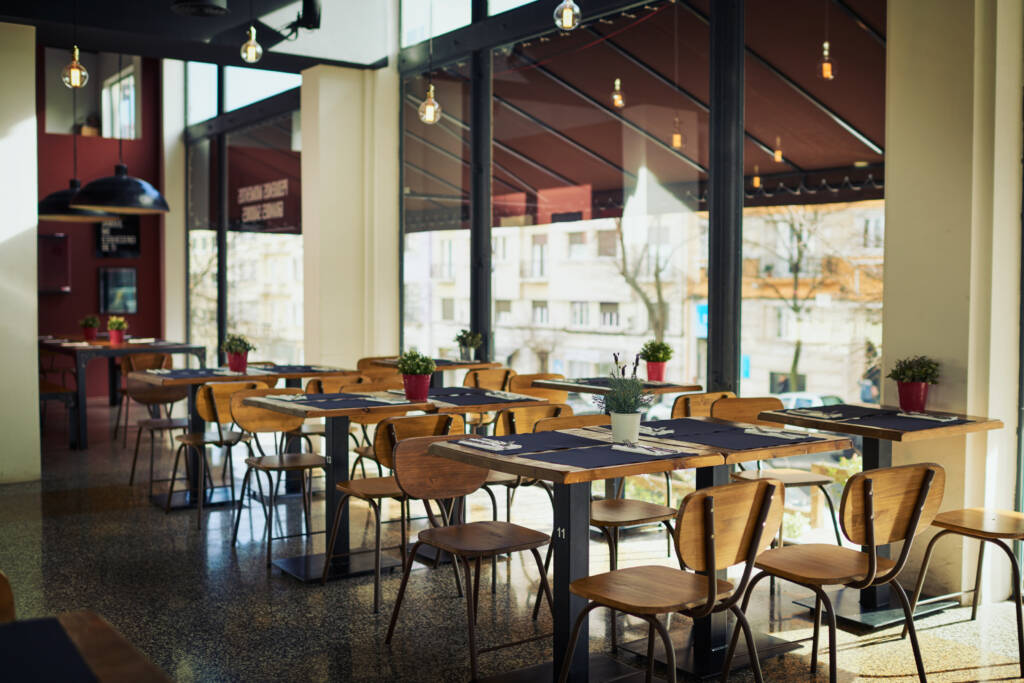
High-caliber food and competent service are considered baseline, such that we now speak of the restaurant market having its own share of competition. The mood, especially the sounds in the background, is among the factors that shape a person’s dining experience. Custom audio systems have become one of the hundred-plus tools available to help restaurant proprietors build atmospheres that offer good memories to patronizing guests.
How Sound Affects Dining Experience
What comes on the plate is just a part and parcel of dinner. Incidents such as food and service are still pivotal to winning over patronage for any restaurant, but the ambience-auditory culture in particular is equally a force to reckon with in influencing patron perception. Music sets the tone for the behaviors of customers and the emotional involvement to a great extent. Let’s delve deeper into how customized audio can improve the entire dining encounter.
1. Music Sets the Mood or Behavior
Music is a universal language, capable of eliciting emotions, memories, or even physiological responses. The right blend of background music establishes an emotional connection between the customer and the space, and this turns a mundane dining experience into a memorable one. Entering a restaurant and hearing music that suits the theme sets a comfortable and absorbing vibe. For instance, Soft jazz or classical music for fine dining resonates with sophistication and elegance.
Indie or acoustic music in the restaurant might tell stories of warmth, creativity, or relaxation.
Fast-paced pop and electronic music carve out a fast-paced environment, synchronizing dynamics with quick services in a chain-go.
The mood of a customer can be instantaneously influenced by music. Customers, who are happy and relaxed, interact with the staff, eat the food, and maybe even write good reviews online or spread word-of-mouth along with the emotionally involved customers who stay longer, order more, and return for multiple visits.
This goes way beyond the emotional realm and into brand perception. If customers feel that the music is associated with the brand image of the restaurant, they will subconsciously associate the positive emotions derived from the music with the brand, deepening their brand recognition and loyalty.
2. Tempo and Volume Affect the Pace at Which Customers Dine
One of the underappreciated applications of restaurant management is in determining how fast or slow customers dine. This is when the background music’s tempo and volume come into play.
Tempo:
1. The very tempo of the background music will dictate how quickly the meal is.
2. Slow tempo music-which oftentimes could be instrumental, lounge, and classical tones-works to make you slow down, and so do your activities, including eating. It makes diners feel relaxed and willing to take their time, enjoy the company, and stay almost forever- and this is what we want:
3. Upscale establishments where per-table revenue grows through sustained seating and multiple-course meals.
4. Times during slow hours when greater dwell times can help uplift the perceived service value.
5. Fast-tempo music (such as dance, pop, or upbeat acoustic) works against the clock. It speeds up churn by encouraging faster decision-making and quicker eating. This is a must-have technique:
6. During the lunch rush or any time the crowd is dense.
7. In casual or fast-service setups, where the volume matters more than how long a table stays.
8. By cleverly adjusting the tempo of the music throughout the day, restaurants can complement the turnover of tables for maximum efficiency without ever having to outright request customers to vacate.
Volume:
1. Volumes carry great weight for people’s behavior and interaction during dining.
2. Low volume gives intimacy and thus encourages conversation and deep connection between diners. It works best for:
3. Romantic or Luxury Dining establishments.
4. Music with moderate to high volume, on the other hand, energizes the room, masks outside noises that are distracting, and injects life into the ambience. This is suitable for:
- Busy weekend nights at casual dining establishments.
- Restaurants and bars rely on the social vibe spilling out from the energetic crowd.
5. If too loud, the music can kill the ambience, making it hard for diners to carry out a normal conversation while also being too much to bear. On the flip side, the music will fade away unnoticed if it is too soft against a loud ambiance. The one-that-balances-them-all all should be striven for.
Benefits of Custom Audio in Dining Experience
One distinguishing factor separating an ordinary and an extraordinary dining experience in the highly competitive restaurant industry could be the details. Among many, custom audio is one such executive decision relegated to the rear but holds much power. Generic background planning simply substitutes pre-recorded tracks, while custom audio is a well-engineered soundscape developed to specifically highlight a restaurant’s identity, attract the target audience, and mold patron behavior. Below are some salient reasons for bringing your restaurant into custom audio.
1. Enhancing Brand Identity
Custom audio provides a remarkably unique way to promote the restaurant’s brand identity through sound. This is not just music for the sake of entertainment-Music is a storytelling device reflecting the personality, culture, and values of the brand.
For example:
- A Mediterranean restaurant can bring the traditional music of Greece to the tables of the establishment, allowing patrons to be immersed in the cultural aura.
- A contemporary urban-style restaurant may implement contemporary jazz, soul, or electronic lounge to project sophistication and style.
- A family diner may consist of upbeat tunes that stir nostalgia and appeal to every generation.
When sound complements the decor, cuisine, and concept of a restaurant seamlessly, it helps set the scene for a memorable dining experience. Guests are much more likely to remember your restaurant if all of their sensory touchpoints, including sound, tell the same story.
2. Customer Satisfaction Improvement
Once the ambiance diverges from expectations, nothing else could make the moment so unpleasant. The sound choice perpetrates a dissonance; loud rock in a romantic setup or elevator tunes in a cutting-edge bar. Conversely, with custom audio, this dissonance is taken away:
- Customizing music for customer preference based on demographics and dining occasions.
- Playlists change dynamically according to time of the day; mellow tunes for quiet mornings, high-energy hits with laughs for fun-filled brunch, and classy tunes for dinner service.
- Music enhances emotional engagement; sometimes, the music is in tune with the pace, tone, and theme of the setting, whereas in others, it heightens the emotion of the place.
The experience is enhanced for customers when they are comfortable, feel understood, and are emotionally engaged. This bettered experience earns Thumbs Up and also helps increase the satisfaction of patrons, eventually generating more visits, forms of recommendation, and rave reviews.
3. Income generation
Great music not only sounds good but sells too. It all boils down to the salespeople working out a correlation between background music and purchasing behavior. Custom audio strategy helps restaurants in tailoring customer flow and sales.
The ways are:
- Slow and soft music during dinner service encourages customers to linger and spend more money on appetizers, desserts, wines, and even coffees.
- Faster-paced music during lunch hours increases efficiency by encouraging faster eating and turnover in tables, thus allowing more guests to be served within less time.
- An agreeable auditory environment to arrive at can also reduce wait-time perception and stress; distractions work well even during peak hours or delay periods.
- Custom audio, therefore, is more than just a luxury- one that could aid considerably in elevating the whole dining experience and give an edge to profitable revenues.
Implementing Custom Audio Solutions in the Dining Experience
To maximize the advantages of custom audio, a restaurant can never just set a preset playlist from the streaming channel. Instead, a conscious combination of planning, technology, brand positioning, and customer psychology needs to be made.
Here is how you can implement a successful custom sound solution to lift the nourishment experience:
1. Assessment of Space and Audience
Before getting into the actual song selections, the crucial evaluation of the physical and psychological forces affecting the restaurant takes place:
- Space layout: Open-concept spaces may require different audio zoning compared to small, intimate venues. Consider how sound travels across the floor.
- Acoustic conditions: High ceilings, hard surfaces, or crowded areas may cause echoing or noise accumulation. Acoustic treatments or strategic speaker placements may be necessary.
- Target audience: Identify and analyze the demographics and preferences of your primary customer base. Are they young professionals, couples on date night, families, or tourists? Each group resonates with different genres and styles of music.
Knowing these internal details shall enable you to develop a sound profile that fits well with the physical space and emotional expectations of the guests.
2. Playlist Curation
The main force behind any custom audio solution is the curation of playlists that speak to the restaurant’s brand, ambiance, and current-time specifications.
Some of the best-known practices for this are:
- Genre alignment: Genres must align with the restaurant concept (e.g., Latin jazz for a tapas bar, indie acoustic for a vegan café).
- Dayparting: Using one type of playlist for breakfast and another for brunch, lunch, and so on keeps things fresh and mood-relevant throughout the day
- Dynamic transitions: Songs and tempos should flow seamlessly, enabling diners to enjoy their meals in a coherent and immersive environment without abrupt and jarring audio shifts.
- Avoid repetition: Those guests can stay anywhere from 45 minutes to 2 hours. Hence, a well-thought-out playlist rotation ensures songs do not get looped often enough to annoy a revisiting patron.
This thoughtful curation process crafts a purposeful and consistent audio brand with which one can resonate on an emotional level, practicing their core values.
3. Making Use of Technology
Thanks to modern technology, implementing custom audio systems, sophisticated in nature yet flexible and reliable, has never been easier.
Key tools include:
- Zoned audio systems: These enable any part of a restaurant (bar, dining area, patio) to play its own playlists at different volumes that suit the activity and mood of a particular space.
- Automated scheduling software: Ensure the music automatically changes throughout the day, setting the tone all by itself without any input from the staff.
- Mobile control apps: Should a manager wish to make some changes with regard to volume, tracks, or even playlists according to crowd density, being in the middle of an event, or just going with feedback, all can be done in real time.
- Analytics platforms: Some may even observe how music influences customer dwell time, sales trends, and table turnovers, providing another layer of assistance in perfecting the dining experience.
With the right tools in place, restaurant owners can now control their ambiance in any way they choose, audio-wise- a facility hitherto enjoyed solely by large hospitality brands.
Conclusion: Why From Custom Audio Should Dream the Heart of Dancing Experiencing
With plenty of competition seeing a regular change in the front line, restaurants need to stand out with both food and service on one hand, and on the other, an experiential, branded environment. Custom audio is a potent yet neglected method of doing so.
From mood setting and behavior to brand identity reinforcement and revenue generation, curated music strategies are provided with a direct, measurable impact on the dining experience. Unlike generic playlists, custom audio solutions give voice to the respective restaurant with its own values, setting grounds for emotional engagement and market loyalty.
Restaurateurs looking to elevate the dining experience will see that investing in custom audio is very much a strategy, not merely a creative choice. Stop thinking of music as background noise and start working with it as a core component in your brand story and customer journey.