Restaurant Playlist Tips: Match Music Genre to Your Theme for Better Ambience

Upon entering your restaurant, the guest will have their five senses registering various clues that potentially outline the forthcoming experience. Obviously, visual design and even the aroma of the dishes does play a major role, and in fine considerations, one element tends to go unnoticed: the genius variable music. A restaurant playlist can work to build a mood board for your brand–subtly narrating its story and setting the entire emotional tone for the experience.
Whether you have a popular café, a fancy fine-dining restaurant, or a tranquil ethnic restaurant, having the appropriate ambient music is what’s required to create an atmosphere in your restaurant. Music fills in the silence and sets how long they stay, the money they spend, and their feelings throughout their visit. In this blog post, I will define how to match music genres with your restaurant and why they are crucial for building great experiences.
Why Music Is More Than Just Background Noise
Music directly affects the psychology of your diners. Numerous studies have shown how music can influence:
- Mood and emotion: Slow, soft music calms diners, while upbeat music energizes them.
- Dwell time: The right music encourages guests to stay longer or move faster, depending on your goal.
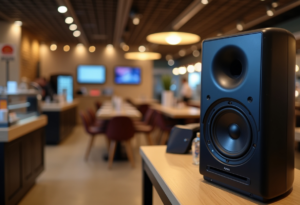
- Speaker Placement: Use directional speakers to disperse the tunes evenly so that no one area is blasted with loud noise.
- Spending behavior: Certain genres can subtly encourage customers to spend more.
- Perception of quality: Ambient music helps in enhancing your restaurant’s perceived sophistication.
In very succinct words, music can be a branding medium. In their perfect balance, the very restaurant playlist can just take you around a full sensory experience-accompanying just a simple meal.
Know Your Restaurant Identity
Before choosing a soundtrack, go full throttle and analyze your brand identity. Ask yourself:
- What is the vibe I want my restaurant to give off? (Relaxed, lively, luxurious?)
- What emotions should customers feel when they dine here?
- Who is my target audience?
By answering these, you can match your music to your theme more accurately.
Matching RESTAURANT PLAYLIST to Popular Restaurant Themes
Here’s a breakdown of different types of restaurants and the best genre pairings for each:
Fine Dining/Luxury Restaurants
Ideal Genres: Classical, instrumental jazz, ambient electronica
How It Works: These styles have elegance, calmness, and exclusivity ingrained into their personality. Slow tempos call an element of urgency to the situation as they push guests to wait and enjoy the multi-course experience.
Enhancing Tip: Use string- or piano-based ambient playlists during the dinner service that can go with the low-light ambiance.
Casual Dining & Family-Friendly Eateries
A Treat for Great Hits: Soft rock, indie folk, 90s pop
Why it works: Familiar and friendly music vibrates with the air but does not overpower it. These genres cater to a wide range of age groups.
Enhancing Tip: Use occasional technologies divided (i.e., acoustic brunch, pop dinner- Groovy way to keep momentum going).
Cafés & Coffee Shops
Perfect Genres: Lo-fi beats, acoustic cover, indie
Why it works: Lo-fi and acoustic music gives that relaxing and creative vibe, perfect for working, reading, or having a good conversation.
Enhancing Tip: A morning playlist with smooth jazz and an afternoon one with mellow house music keeps things fresh.
Fast Food and QSRs
Ideal Genres: Pop hits, upbeat EDM, hip hop
Why it works: High-energy music encourages quick service and a fun vibe, which fits the fast-paced dining experience.
Enhancing Tip: Play faster tempo songs during peak hours to increase table turnover.
Ethnic Restaurants
Ideal Genres: Culturally aligned music (e.g., tabla for Indian, flamenco for Spanish)
Why it works: Music rooted in culture enriches authenticity and transports diners to the region the cuisine is inspired by.
Enhancing Tip: Rotate traditional and modern fusion music to keep the experience both classic and contemporary.
Bars and Lounges
Ideal Genres: Deep house, R&B, lounge jazz
Why it works: It sets a sophisticated, seductive mood that aligns with dim lighting and social conversations.
Enhancing Tip: Slowly raise volume and tempo post-8 PM to encourage nightlife energy.
Creating the Perfect Restaurant Playlist
Crafting a restaurant playlist isn’t just about shuffling your favorite songs. It requires strategic thinking. Steps to Curate a High-Impact Playlist:
-
Define Your Sound Identity:
Describe your brand in 3 words. Is it “cozy, minimal, organic” or “bold, urban, energetic”? Your playlist should reflect this tone.
-
Choose Genres That Match Time of Day:
Use ambient music for early hours, soft pop for lunch, and deep beats for evening transitions.
-
Avoid Disruptive Tracks:
No jarring beats, loud intros, or explicit lyrics unless that’s part of your brand’s identity.
-
Update Regularly:
Stale music becomes white noise. Refresh your playlist monthly to keep the vibe current
-
Use Audio Scheduling Tools:
Platforms like Soundtrack Your Brand or CloudCover allow for time-based playlist automation, licensing, and analytics.
Ambient Music: The Soul of Subtle Vibes
What makes ambient music ideal for restaurants? It creates a sonic landscape that doesn’t overpower conversations or disrupt focus. Here’s what ambient music brings to the table:
Emotional Neutrality: It subtly influences emotion without distracting.
Consistency: It gives a steady auditory presence in fine dining or cocktail lounges.
Setting the Mood: Best-it creates an atmosphere of calm, easy-going energy that the decor really benefits from.
Pro Tip: Combine ambient music with natural sounds (ocean waves, forest sounds) and elevate themes such as “eco-cafes” or “wellness kitchens.”
Enhancing Restaurant Ambience Through Sound Design
Sound design is rarely just about music. Think instead of the ambiance:
Acoustics: Do away with harsh sounds by placing drapes, plants, or acoustic panels.
Volume Control: Make sure the volume always stays between 60-70 decibels, as anything else may bother listeners.
Speaker Placement: Use directional speakers to disperse the tunes evenly, so that no one area is blasted with loud noise.
Your music strategy should enhance the restaurant layout. For example, louder zones (e.g., bar) can play more energetic music, while quieter nooks can have subdued tunes.
Impact on Customer Behavior and Sales
Music can directly influence how customers behave and spend.
Music Style Impact
- Slow, soft music Longer stays, more drink orders
- Upbeat pop, Faster table turnover, higher energy
- Ambient instrumental enhances perceived food quality
In a study by Cornell University, diners exposed to slower music stayed longer and spent 23% more. That’s music to any restaurant owner’s ears.
Common Mistakes to Avoid
Even great playlists can fall short if these mistakes are made:
- Ignoring Genre Fit: Just because a song is popular doesn’t mean it suits your brand.
- Too Much Silence or Repetition: Silence can feel awkward, and repetition is annoying.
- Wrong Volume Levels: Music should support, not interrupt, conversations.
- Using Free Streaming Services with Ads: These interrupt the mood and can feel unprofessional.
- Invest in professional-grade audio licensing services to ensure a seamless guest experience.
Creating an All-Day Music Strategy
Your restaurant playlist should evolve as the day progresses. Here’s a suggested structure:
- Morning (8 AM – 12 PM): Acoustic jazz, indie folk, light piano
- Afternoon (12 PM – 4 PM): Chill pop, ambient electronica
- Evening (4 PM – 8 PM): Lounge music, smooth R&B
- Night (8 PM onward): Deep house, chillwave, rhythmic jazz
This rhythm mirrors customer moods throughout the day, helping you build a lasting emotional connection.
Conclusion: Your restaurant PLAYLIST Is Your Brand’s Voice
In the restaurant business, every element matters—from the plating to the playlist. An excellent music strategy using an appropriate restaurant playlist and selected ambient tunes does more than merely fill the silence—they come together in an atmosphere that actually stimulates the brand, supports the theme, and colors the behavioral aspect.
Depending on the theme of your restaurant and changes throughout the day, your music choices are not merely the act of playing pleasant music-they actually do contribute immensely to building your restaurant.
So, is your restaurant music just noise, or is it an artistic part of your brand story?