Restaurant Sound: How Audio Shapes Dining Experience & Drives Sales
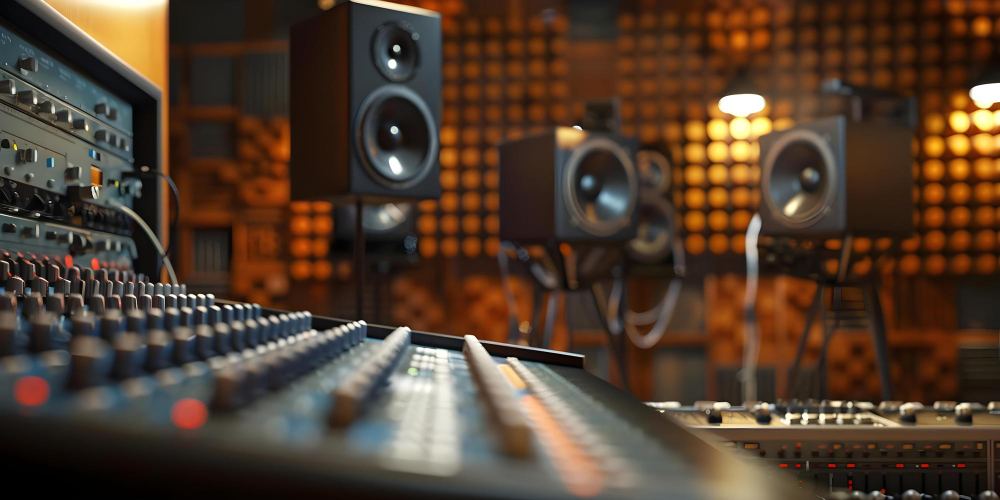
It is not just food that attracts attention in the realm of hospitality; it is restaurant sounds that put an atmosphere in place. This rising background sound, whether for a fine restaurant, an intimate brunch, or a good-natured craziness of a fast casual chain, sets the tone amid which customers will judge their experience.
The soundscape consists of clanking cutlery, background hum of casual chatter, and most importantly, music. All of that contributes to a restaurant sound environment that can either mar or enhance a customer’s impression. This blog examines how sound affects the restaurant business, research pertinent to this, and how companies can adopt sound toward creating an ambiance, increasing sales, and building a strong identity.
Restaurant sounds matter now more than ever before.
Customization of sound goes hand in hand with the restaurant experience. It could be claimed that the sound of a restaurant has become an ingrained concept in the perception of its customers. Today’s diners will select an establishment based on its ability to provide a full sensory experience: visual, audible, and tastable.
Here are a few sound influences on diners:
Mood and Emotion: Impeccably playing a soft jazz number would render a restaurant space with elegance or, conversely, a wholly upbeat pop number would invigorate a lunch crowd. In context, that music greatly influences guest mood-and behavior.
Perceived Wait Time: When the right playlist is playing, time seems to fly. Customers are less likely to notice a delay in service if they’re immersed in a pleasant sound environment.
Appetite and Consumption: Studies suggest certain music can even influence how much diners eat and drink. The right restaurant sound can subtly encourage longer stays and more spending.
Manage Noise: Sound management isn’t just music. Better facilities infest control of reverberation, balance ambience, and minimize harsh echoes for a better experience overall.
Some Of The Realistic Problems Restaurants Face With Sound
Management of restaurant sound is a problem. Here are some known troubles that hope to face hospitality businesses:
- Irregular Levels of Volume
Some sections of the place may be loud while others are quiet. This sort of distribution can annoy consumers and they would rather not hear the fancy conversation they wanted with a friend–or hear the music at all.
- Poor Music Selection
Using random playlists or streaming services with ads can hurt the customer experience. Inappropriate or repetitive music is one of the most frequent complaints in online reviews.
- Acoustic Problems
Moreover, hard surfaces such as tiles and glass tend to reverberate sound levels. Proper soundproofing or acoustic treatments must improve even only half of the restaurants to make them comfortable while dining with too many visitors.
- Deficiency of Sound Branding
Most restaurants are not very much able to integrate their sound with their branding identity. The concept defines the sound-your concept, whether defined as sophisticated, rustic, younger, or family-oriented.
Creating the Perfect Restaurant Sound Environment
Getting it right is not just about emitting a Spotify playlist; it is a consistent and thoughtful audio identity that elevates the overall brand.
Step 1: Define Your Brand’s Audio Personality
What is the vibe of your restaurant? Is it a ‘buzzy downtown spot’ or a ‘quiet country bistro, ‘highly energetic or serene, with its music and audio elements as?
Step 2: Choose Your Music Well
To choose the correct type, tempo, and volume to suit the people drawn to your establishment and the time of day, Mintz shares a few examples:
Morning: Light acoustic or indie for a calm start.
Lunch Rush: Upbeat, but not too frenetic mid-tempo pop or instrumental energizes but does not overwhelm.
Dinner: A relaxed, refined feel with smooth jazz, classical, or lounge.
Curated, time-sensitive playlists that can evolve with the day could really change atmosphere.
Step 3: Balance Volume with Acoustics
Install sound systems that equalize and achieve good noise-free distribution for music. Put money into sound-absorbing panels or sueding furniture to tone down any imaginary sounds. The desired effect is that every guest enjoys the same sound experience in the restaurant wherever they are seated.
Scientific Reasons for Sounds and Consumerism
Indeed, several academic and applied pieces of research back this with different studies to show the effects of restaurant sound aspects on customer behavior. Among the most notable findings that these studies reveal include:
Tempo Affects Pace: Slow music could encourage longer stays and less hurried consumption, while fast music might speed up the dining pace and increase table turnover.
Genre Mirrors Value: Guests might be likely to spend more if the perceived value is increased through classical/jazz playing.
Volume Influences Choices: Loud environments tend to reduce healthy food choices, while softer soundscapes encourage thoughtful ordering.
Understanding this psychology helps restaurants strategically design their sound environments to align with their business goals.
Technology’s Role in Modern Restaurant Sound Management
Today, restaurants have access to tools that make managing sound easier and more effective than ever. Platforms like Sync2Dine offer end-to-end solutions, including
- Custom playlists aligned with brand identity
- Branded in-store audio messaging
- Smart scheduling based on dayparts or events
- Multi-location audio synchronization
- Ongoing content refresh and tech support
These tools remove the guesswork and allow businesses to automate and optimize their restaurant sound.
Case Studies: Sound Success in Real Restaurants
Urban Bistro Boosts Average Spend
A city-based fine dining spot partnered with an audio branding platform. By aligning music tempo and genre with meal phases, they saw a 12% increase in average ticket size during dinner hours.
Family Café Improves Reviews
A small café was struggling with noise complaints. After installing sound-absorbing panels and switching to curated soft pop playlists, they saw a spike in positive reviews and return visits.
Fast Casual Franchise Cuts Wait-Time Complaints
A national chain implemented upbeat playlists and periodic promotional messages. Guests reported feeling that lines moved faster, even during busy hours.
Restaurant Sound Do’s and Don’ts
Do:
- Curate playlists that match your brand and customer base.
- Adjust sound by time of day.
- Balance music with ambient noise.
- Use tools to manage and schedule audio.
Don’t:
- Stream music with ads or inconsistent quality.
- Ignore acoustic challenges.
- Overlook the impact of sound on guest comfort.
- Rely on a single playlist all day.
Final Thoughts: Make Restaurant Sound Work for You
Your restaurant’s soundscape is just as vital as your menu or decor. It’s the invisible layer of branding that your guests experience from the moment they walk in. The restaurant’s effective sound strategy can create an ambience, communicate identity, and even directly affect sales. Carefully selected music, smart sound systems, and interesting acoustic enhancements create a world in which diners want to immerse themselves again and again and recommend to others. So consider that your restaurant must also take sound into account when creating a beautiful place. Good sound equals good feeling for the restaurant.
Ready to take your restaurant to the next sonic level? Opt for professional options like Sync2Dine or consult a sonic designer for a proper beginning.
Thank your guests and thank your profits! Visit our Instagram – Sync2dine