Restaurant Vibe Redefined: Crafting Gen Z Dining Experiences.
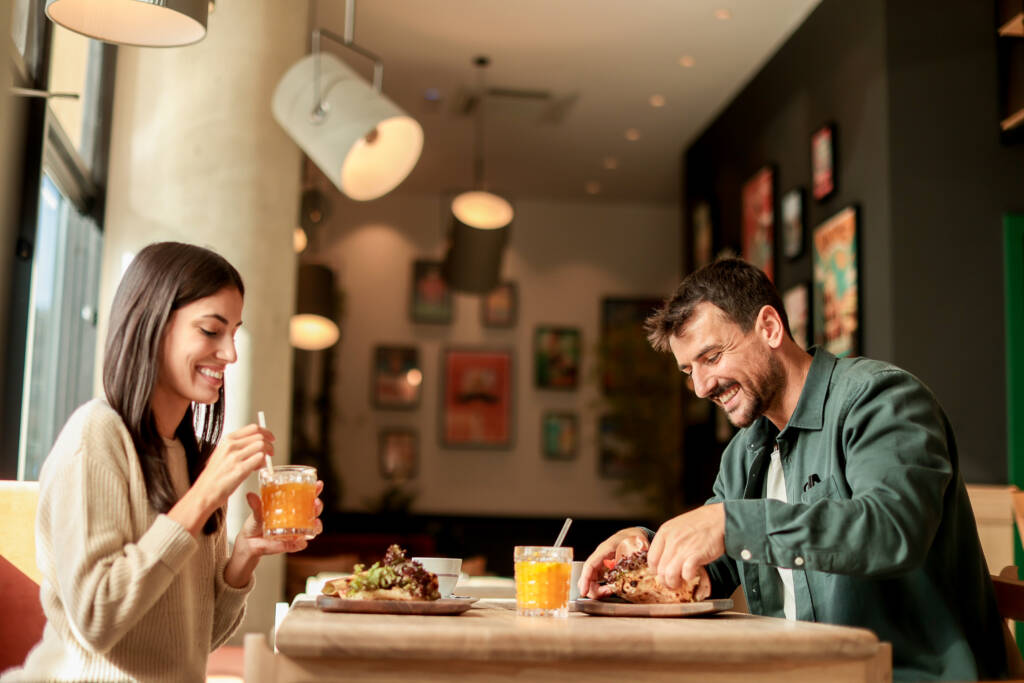
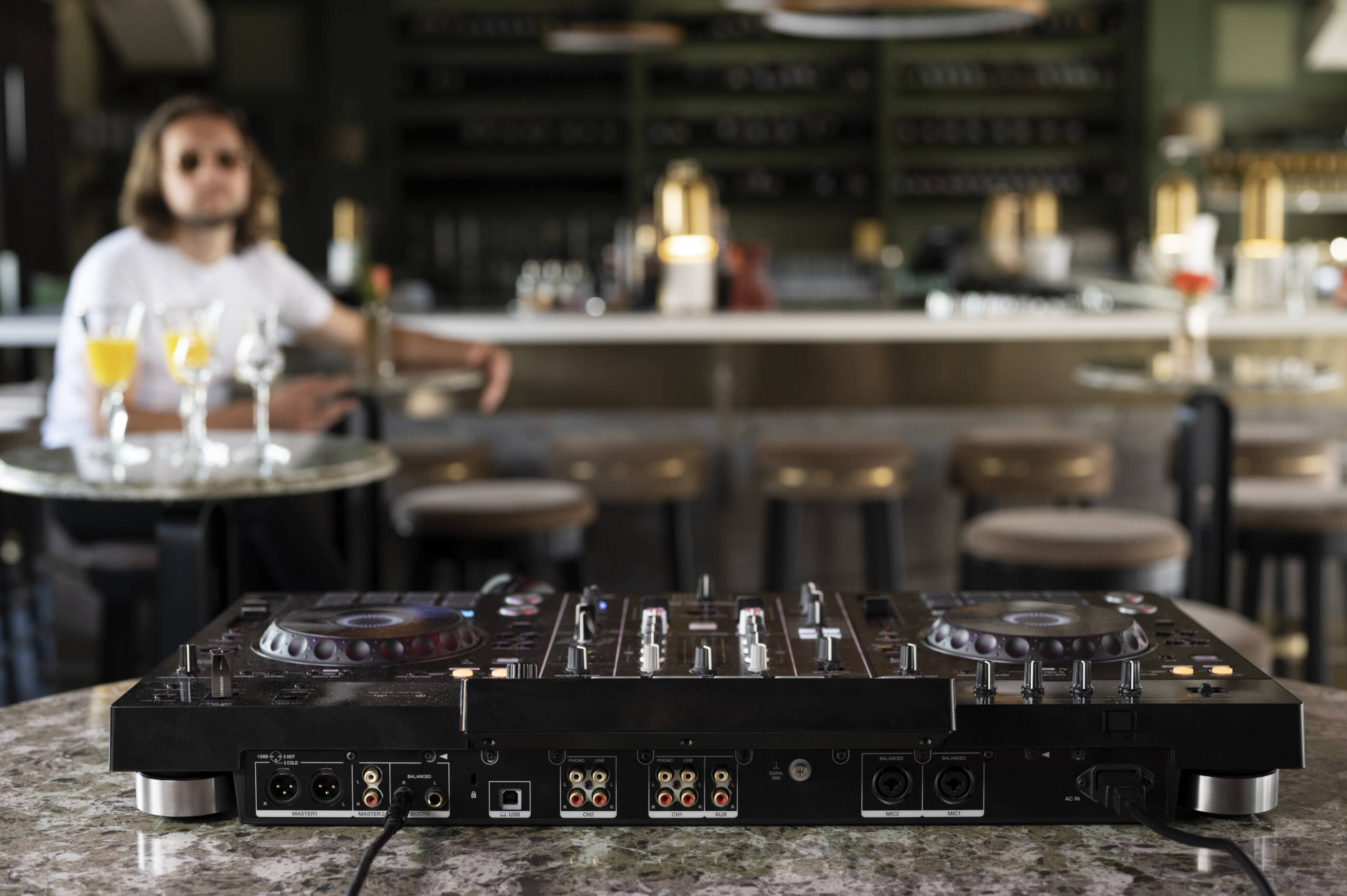
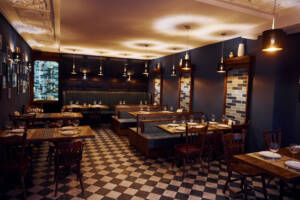
For members of Generation Z (born 1997–2012), dining has evolved beyond simple consumption. It’s an artistic, emotional, and social experience. More than delicious food, people are drawn to restaurants with an immersive restaurant vibe, where music is an essential component.
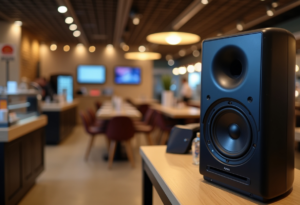
Music is more than just background noise in the fast-paced, social media-driven world of today. The way visitors feel, act, and even how long they remain is influenced by this strategic branding tool. The correct soundtrack may make or ruin the atmosphere in eateries catering to Generation Z.
Recognizing the Musical Preferences of Generation Z
Gen Z is the most culturally diverse and technologically savvy generation to date. Their identity, way of life, and decision-making—even when it comes to dining—are all influenced by music. Restaurants may create an atmosphere that patrons enjoy by knowing what influences their musical tastes.
1. Diverse Flavors
Gen Z is amenable to the merging of genres. They appreciate aural diversity that represents their shifting identities, from indie pop and synthwave in casual diners to lo-fi chillhop in coffee shops. Consider music as mood décor; it’s about the feeling, not just the genre.
2. Listening with a focus on mood
Playlists tailored to Gen Z’s activity or mood are preferred. Whether it’s “late-night chill,” “study rhythms,” or “brunch vibes,” they are looking for settings that seem emotionally in sync. Restaurants that use music to evoke strong feelings stand out as distinctive and purposeful.
3. Genuineness Above Mainstream
Instead of slick pop or overdone commercial tunes, Gen Z engages with underground and independent musicians. They value musical selections that complement the restaurant’s unique theme or true narrative.
Developing the Ideal Musical Restaurant vibe
Restaurants must transition from passive playlisting to deliberate music curation if they want to establish a genuine musical connection with Generation Z.
1. Match Brand Identity with Music
Every restaurant should have music that reflects its brand personality. Your music should reflect the ethos of your restaurant vibe, whether it is modern, minimalist, rustic, sustainable, or inspired by other cultures.
For instance:
- A café with a plant menu => Acoustic folk or instrumentals with a natural theme
- A vintage diner: 80s synth, funk, or soul
- An international electronica or indie world fusion bistro
Pro tip: Without words, music tells a brand’s story.
2. Playlists by Hour
Gen Z anticipates atmospheric changes all day long. Create playlists according to anticipated consumer behavior and energy levels.
Morning (8–11 a.m)
- Genre: Instrumental, calm, light acoustic
- Objective: Establish a cozy, inviting environment
In the afternoon (12–4 PM)
- Genre: lo-fi, lively soul, and indie pop
- Objective: Keep clients alert and positive
Evening (6–10 p.m)
- Genre: jazz, neo-soul, ambient
- Goal: Encourage relaxation by lowering the tempo.
By establishing a natural rhythm, these transitions give your restaurant a lively, responsive vibe.
3. Interactive Music Selections
- Gen Z adores co-creation and customization. Take a look at these interactive components:
- Menus with QR codes connected to Spotify playlists
- “Now Playing” electronic signs
- During events, live voting for particular tracks or musical genres
Because of this engagement, visitors feel more emotionally invested in the setting, which results in longer visits and social sharing.
Using Technology to Incorporate Music
Smart audio systems are being used by contemporary restaurants to automate, evaluate, and adjust the musical environment. Here’s how:
- Platforms for smart sound systems, such as Sync2Dine, enable:
- Scheduling for dayparted playlists
- Changes in volume according to occupation
- Zoning of musical genres (many styles in distinct sections)
Analytics for Music
- Restaurants can use integrated systems to determine which tracks are associated with greater dwell times.
- Which genres result in larger expenditures?
- Which songs do staff members refuse to play or skip?
- Restaurants can use this information to scientifically improve the ambiance while maintaining its soulfulness.
Music and Sustainability
Gen Z has made sustainability a top priority, and their musical preferences are no exception. Here’s how to make your audio environment more environmentally friendly:
- Support Local or Independent Artists: Highlight local musicians’ songs and advertise them on social media or menus.
- Eco-friendly Equipment: Make use of wireless systems, volume-controlled areas, and speakers that use less energy.
- Acoustic minimalism: Reduce noise and clutter. In addition to being detrimental to one’s mood, loud, intrusive music can also have a negative impact on sustainability due to energy waste and sound pollution. Gen Z can become champions by feeling connected to your purpose through music that supports environmental initiatives.
Using Music to Create Instagrammable Moments
A strong restaurant ambiance encourages patrons to stay, take pictures, and share. Experiences that are emotionally and visually immersive are enhanced by the slight yet essential contribution of music.
Live Acts
Organize jazz evenings, vinyl nights, or acoustic brunches to draw in Gen Zers who are eager to share your material on TikTok and Instagram.
- Try “Throwback Thursday” with carefully selected ’90s playlists for a themed music night.
- Underground musicians are highlighted on “Indie Friday.”
- “Sunset Sundays” with relaxing music selections and specialty drinks
- A multisensory experience worth sharing is produced when musical ambience is combined with visual beauty.
Music’s Psychological Effect on Dining Behavior and Restaurant Vibe.
- Research indicates that the restaurant vibe can affect spending and boost the number of tables that are being used.
- Promote longer stays. Cut down on the apparent wait times.
- Turnover and Tempo. Faster-paced music can indirectly encourage speedier dining during lunch rush hours.
- During off-peak hours, slower, more subdued music encourages guests to unwind and stay, which is excellent for increasing sales of drinks and desserts.
- Talk and Volume. Social connections and mental wellness are important to Gen Z. Poor reviews can result from loud music that obstructs discourse.
- Particularly in group settings, keep the volume at a level where people can connect without shouting.
Assessing the Effect of Music on the Ambience of Restaurants
What you don’t measure, you can’t improve. Here are some methods for determining how well your restaurant vibe approach works:
1. Client Input
- Ask customers to evaluate the restaurant’s atmosphere through internal surveys.
- Inquire directly about musical tastes on social media or comment cards.
2. Sales Information
- Check to see if sales of drinks or desserts increase when certain musical genres or moods are present.
- Examine the impact of dwell time on the average table value
3. Metrics for Social Media
- Keep track of the hashtags and mentions associated with your musical evenings.
- During DJ performances or live music events, keep an eye on geotags.
Final Thoughts: Harmonizing Gen Z Dining Experiences and Restaurant Vibe
For Gen Z, dining at a restaurant is a full-body experience, with music serving as the emotional undercurrent that steers the trip.
Restaurants will be able to draw in and keep this powerful generation if they carefully use music to enhance the atmosphere. A well-tuned mood fosters enduring devotion, whether it be achieved through interactive music engagement, sustainability-conscious music procurement, or tech-driven smart playlists.
Gen Z won’t feel comfortable in your restaurant if the atmosphere doesn’t sound correct. However, if you get the music just right, they will not only eat, but also record, share, and return.