Sonic Biomes: Revolutionizing Dining with Restaurant Music
Introduction: The New Era of Atmosphere
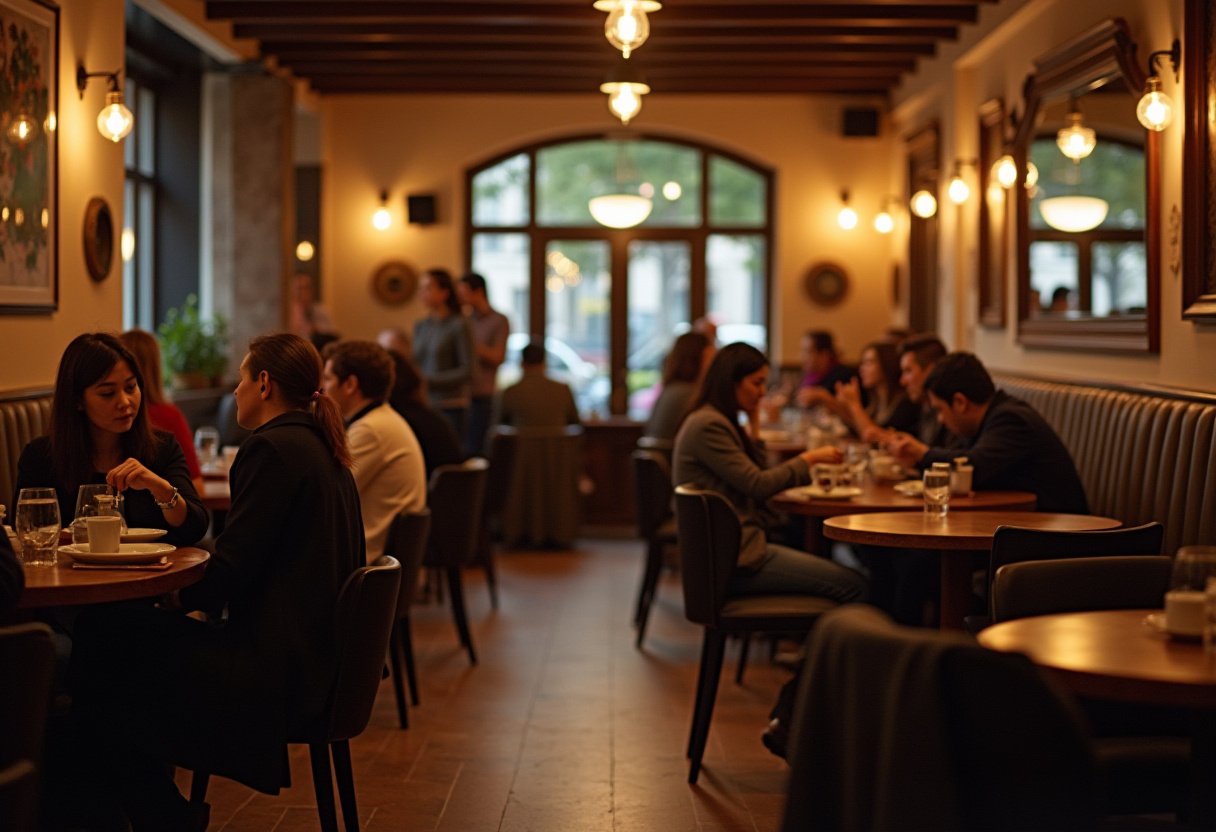
Walk into a modern restaurant today, and you’re no longer just stepping into a space with tables and menus. You’re entering a curated sonic experience—one that subtly adapts to the world outside, the hour of the day, and even the invisible moods of its guests. Welcome to the age of sonic biomes, where background music isn’t static—it’s dynamic, intelligent, and deeply emotional.
In an industry where ambiance can make or break the dining experience, music has emerged as a silent hero, evolving beyond playlist loops into responsive ecosystems. And as technology bridges data with emotion, restaurants are turning to music that changes like the sky—fluid, sensory, and unforgettable.
What Are Sonic Biomes?
The term “sonic biome” borrows from ecology, where a biome refers to a natural habitat influenced by climate and life. Similarly, a sonic biome is a musical environment that adapts to variables like
- Time of Day
- Weather Conditions
- Seasonal Shifts
- Customer Mood or Energy
- Occasion or Footfall
Instead of one-size-fits-all playlists, sonic biomes evolve. Think chill acoustic in the morning drizzle, warm jazz as the sun sets, and ambient downtempo when the evening rush quiets down. It’s music that feels in tune with everything.
Why Background Music Matters More Than Ever
Today’s diners crave more than just food—they seek experiences. In fact, according to a study by Soundtrack Your Brand, 79% of customers believe music significantly enhances their dining experience.
Key reasons restaurants are shifting to responsive soundscapes:
- Customer Retention: Familiar yet evolving music increases dwell time.
- Emotional Anchoring: Music can imprint brand memory deeper than visuals.
- Atmosphere Control: Tempo, pitch, and genre can regulate crowd energy.
- Brand Differentiation: Dynamic sound becomes a signature of sophistication.
The Technology Powering Sonic Biomes
To build a dynamic music ecosystem, restaurants are integrating the following tech:
1. Weather API Integrations
Services like OpenWeatherMap or AccuWeather can feed real-time weather data to a restaurant music platform. For example:
- Rainy day? Cue cozy lo-fi beats.
- Sunny brunch? Bring in upbeat indie-pop.
2. Time-Sensitive Playlists
Dayparting isn’t new in marketing, but now it’s used for sound:
- Mornings → Acoustic or instrumental
- Afternoons → Funky jazz or tropical house
- Evenings → Soul, ambient electronica, or deep house
3. AI-Driven Music Engines
Platforms like Endel or Aimi use AI to adapt restaurant music in real time based on environmental input and human behavior. Spotify’s new emotional AI tech is also paving the way.
4. POS & Footfall Syncing
Some restaurants even link music to peak vs. off-peak hours via POS systems. More guests? Higher BPM to boost mood. Quieter? Softer ambiance to promote calm.
A Day in the Life of a Sonic Restaurant
Let’s imagine a real-world scenario. You walk into Cafe Atmos, a modern brunch spot in Mumbai.
- 8:30 AM – Drizzling Outside—The system picks up light rain in the early hours. The speakers play warm acoustic guitar with gentle rain textures—perfect for slow sips and solitude.
- 1:00 PM – Sun Breaks Through—As footfall rises, the playlist shifts to tropical house and nu-disco. Energy increases. Staff move faster. Guests feel the vibe shift without knowing why.
- 6:45 PM – Sunset Glow—Lighting auto-adjusts to golden tones. The restaurant music slows into smooth jazz, easing guests into long conversations, wine, and relaxed laughter.
- 10:30 PM – Last Call—Only a few tables remain. The playlist transitions to ambient electronica, almost meditative, subtly suggesting a close to the night.
This seamless transformation doesn’t require a DJ. Just smart curation and data-fed logic.
Benefits for Restaurant Owners
Implementing sonic biomes isn’t just about aesthetics—it’s strategic. Here’s why restaurant owners are investing:
- Higher Customer Satisfaction
Music that syncs with mood = deeper emotional resonance. Diners associate good food with how they feel. - Increased Table Turnover or Dwell Time (by design)
Need quick service during lunch? High BPM. Want guests to linger over dessert at dinner? Downtempo. - Brand Loyalty
Signature soundscapes become part of brand memory. Guests recognize your vibe instantly—even if it’s different every time. - Staff Morale
Dynamic playlists reduce burnout. Staff feel energized when music adapts to the tempo of the shift.
Challenges in Building a Sonic Biome (and How to Solve Them)
Challenge | Solution
- Licensing & Royalties—Use services like Soundtrack Your Brand, Epidemic Sound, or Artlist for commercial use rights.
- Tech Overwhelm—Start small. Time-of-day playlisting is an easy entry point. Gradually add weather & AI.
- Consistency vs. Variety—Define mood “zones” and stick to core genres with dynamic shifts.
- Staff Override—Lock core playlists but allow shift managers to select from mood presets.
How to Build Your Own Sonic Biome (Step-by-Step)
1. Define Your “Core Vibe.”
Pick 2–3 genres that reflect your brand. This is your music DNA.
2. Segment the Day
Create playlist buckets for:
Morning | Lunch | Golden Hour | Late Night
3. Integrate Real-Time Inputs
Use platforms like Zapier or IFTTT to sync weather APIs with your playlist platform (e.g., Spotify + SmartHome).
4. Set Rules with Flexibility
Set conditions:
– Rain + Morning = Jazz piano
– Cloudy + Evening = Ambient soul
5. Test & Tune Weekly
Gather guest feedback. Use POS data to track whether certain soundscapes increase dessert or drink orders. Future Trends to Watch
Voice-Aware Playlists
AI that listens to the decibel level of conversations and adjusts music volume & genre accordingly.
Mood Sensors (via Cameras)
Yes, some brands are piloting emotion detection via facial cues. The music adjusts to the crowd’s expressions.
Blockchain Music Licensing
Secure, trackable music rights and artist attribution via NFTs—perfect for indie playlists.
Conclusion: Let Your Restaurant Breathe in Sound
In a world where every Instagram post is judged by its vibe, restaurants must think beyond decor. The restaurant music you play isn’t just background—it’s foreground emotion. With sonic biomes, restaurants move from “playing songs” to crafting soundscapes that feel alive, seasonal, and deeply human.
The future of dining doesn’t just taste good—it sounds unforgettable. Ready to Sync Your Sound? At Sync2Dine, we help restaurants build living soundtracks. From curated genre flows to smart integrations with weather and POS systems, we transform your atmosphere from passive to powerful.
Let us create your sonic biome. Reach out today for a personalized demo.